
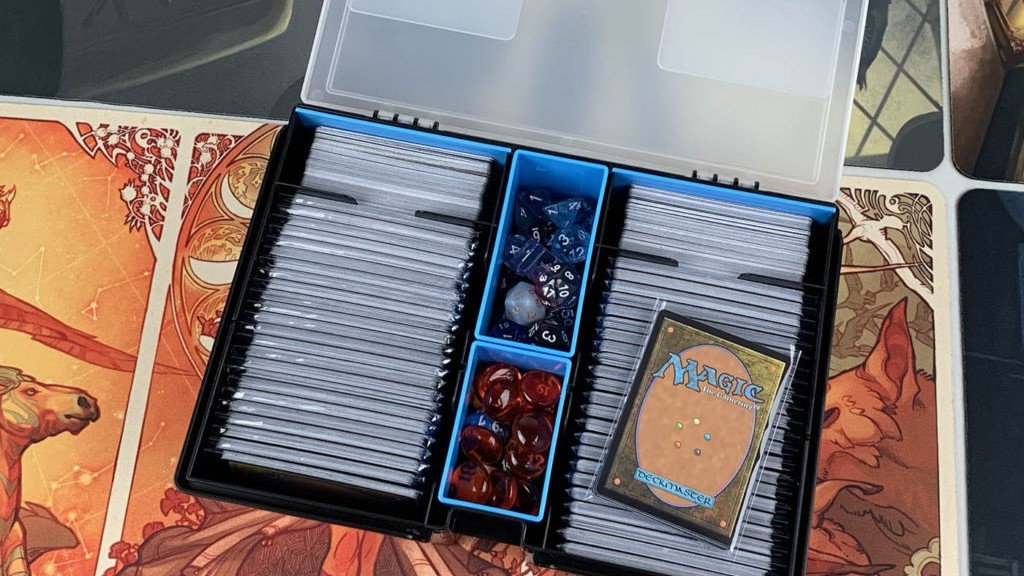
Cube’s promise is “show up, draft, play.” The best accessories are the ones that keep that promise—so your drafters can walk in empty-handed and still have a smooth, low-friction night.
TLDR
- Pre-sleeved basics are the biggest quality-of-life upgrade for any host.
- Tokens + counters keep board states readable and reduce “wait, what’s that?” moments.
- A small dice/marker box (spindowns + D6 + a few chips) covers almost everything.
- Pack markers (poker chips are perfect) prevent accidental draft mistakes.
- Fast seating + pairings (playing cards) keeps the night moving.
- One good storage solution matters more than the “best” box—because the best box is the one you actually bring.
What “best cube accessories” really means
When you look at what cube hosts recommend online, a pattern appears: they don’t chase fancy. They chase less friction. The “best” accessories usually do at least one of these jobs:
- Remove bottlenecks (deckbuilding doesn’t stall because nobody has lands).
- Prevent errors (packs don’t get mixed; round one doesn’t take 20 minutes to start).
- Improve clarity (tokens/counters are legible, so games play faster).
- Pack down clean (setup and teardown feel like a board game night, not a yard sale).
The core kit most cube hosts converge on
A lot of experienced cube players independently arrive at the same “minimum viable host kit”:
- Basics station (pre-sleeved)
- Tokens / counters support
- Dice + markers box
- A simple seating/pairing method
- A storage setup that keeps it all together
That’s the backbone. Everything else is optional flavor.
1) Pre-sleeved basic lands: the accessory that changes everything
If you host cube more than occasionally, this is the first thing to “standardize.” Pre-sleeved basics shorten deckbuilding, reduce downtime between rounds, and make the whole night feel organized.
A practical starting point that comes up often is around 30–35 of each basic for an 8-player table, then adjust after a couple drafts based on what you actually run out of. If your cube pushes heavy blue interaction, Islands tend to drain first; if your cube pushes low-curve aggro, you’ll see the pressure shift accordingly.
Pro tip: keep basics in the same sleeves as the cube, if possible. Consistent sleeves make handling easier and reduce “weird sleeve” distractions.
2) Tokens and counters: clarity is speed
Cube board states get complicated. Monarch/initiative, Treasures, Clues, random creature tokens, +1/+1 counters… it adds up fast.
Two approaches dominate “what people actually do”:
A) Keep real tokens for the repeat offenders.
This feels the cleanest in play. If your environment regularly makes the same 10–20 tokens, those are worth owning.
B) Use dry-erase tokens for everything else.
Dry-erase token systems are popular because they let you cover the long tail of weird one-off tokens without carrying a shoebox of cardboard. It’s the “I can handle anything” solution.
Nice workflow hack: If you maintain your cube on Cube Cobra, you can use its token view to generate a shopping/print list of the tokens your cube uses—so you’re not guessing.
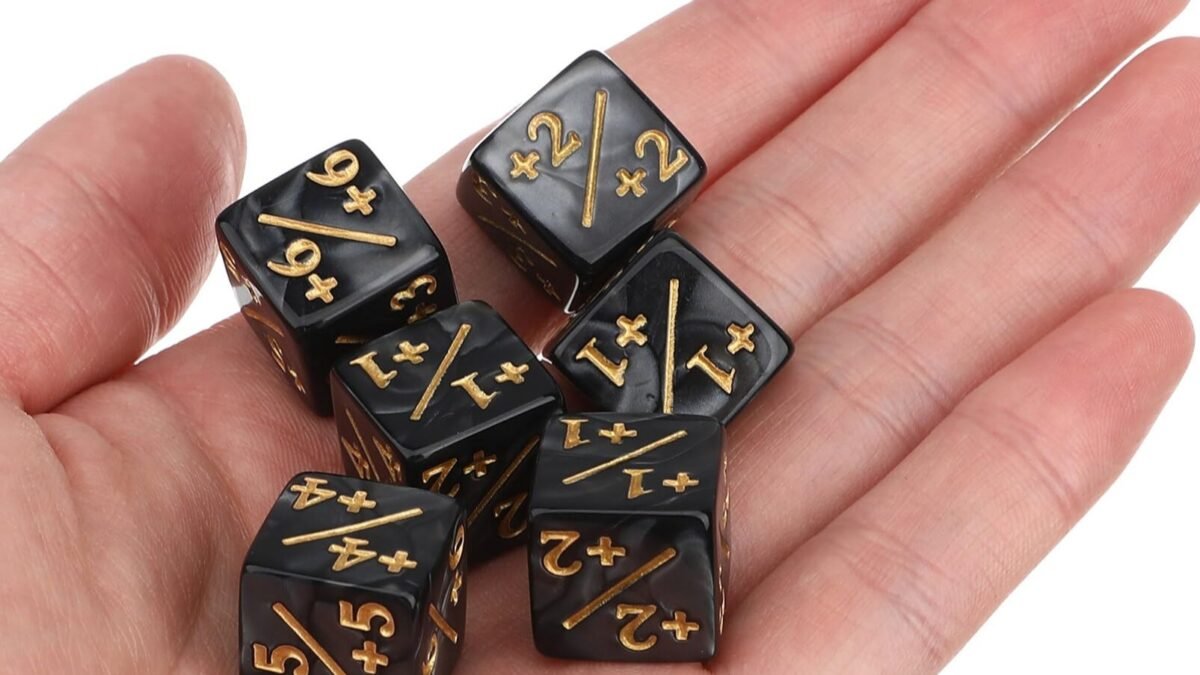
3) Dice + life tracking: keep it boring and plentiful
The most common “host box” is a small container packed with:
- Spindown d20s (life totals, big counters)
- D6s (counters, loyalty, “turns remaining” bookkeeping)
- A few chips/markers (draft flow reminders, “this pack is mine,” etc.)
The reason this setup is so common is simple: it solves 95% of in-game needs with one tiny box.
If your group likes written life totals (especially for cleaner match tracking), a small life pad + pen is still a great “host-provided” add.
4) Pack markers: poker chips are secretly elite
This is one of those tricks that sounds goofy until you see it prevent a draft trainwreck.
When packs are moving quickly, it’s easy for someone to grab the wrong stack. A simple fix: place a poker chip (or any obvious marker) on top of each player’s undrafted pack(s). It creates a clear “this stack belongs to me” signal and dramatically reduces accidental drafting errors.
If you don’t want chips, anything that’s:
- visually obvious
- slightly heavy
- easy to reset every pick
works fine.
5) Seating and pairings: playing cards are the simplest tool
Apps work. Dice work. “Point at seats” works.
But the simplest low-tech solution that keeps showing up is a normal deck of playing cards:
- deal seats quickly
- use the same tool to generate round one pairings
It’s fast, fair, and requires zero setup.
6) Reusable packs: the best upgrade if you draft often
If you draft once in a while, you can shuffle and make packs on the spot.
If you draft frequently, many hosts eventually move to reusable pack containers, because it turns setup into “hand out packs” instead of “shuffle a mountain of sleeved cards and hope for the best.”
Two popular options:
- Cubeamajigs (reusable “booster pack” style containers)
- Small cube shells (compact pack-sized boxes that are easy to handle and re-stack)
This is especially nice if you travel with your cube and want a consistent “open a pack” experience.
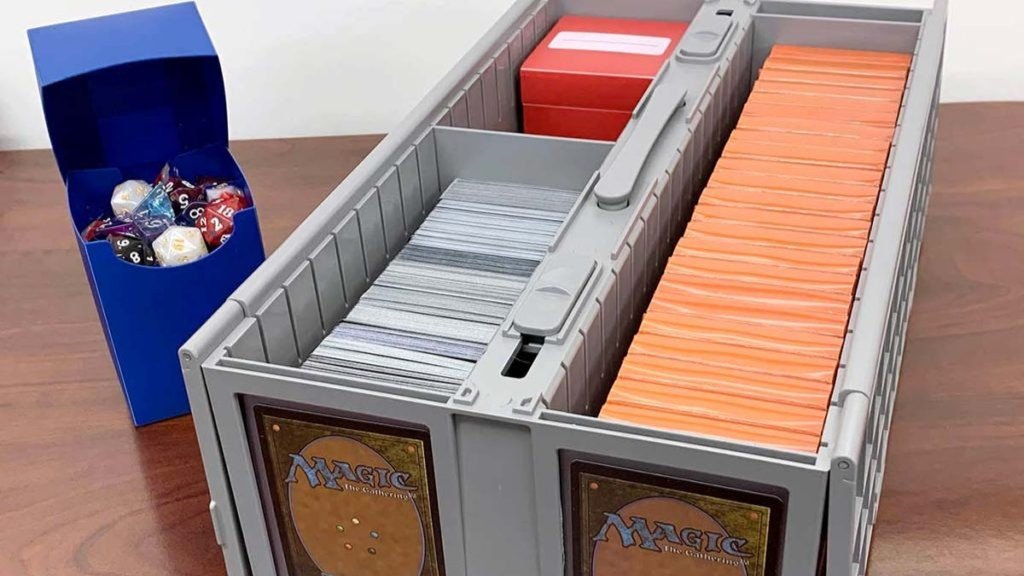
Storage solutions people actually recommend
Storage advice online is wonderfully inconsistent… except on one point: your cards shouldn’t slide around in transit. Snug fits and dividers matter more than logos.
Here’s a practical comparison of options that come up repeatedly:
| Storage option | Why people like it | The tradeoff | Best for |
|---|---|---|---|
| Bundle/Fat Pack boxes | Cheap, durable enough, easy to find | Often becomes a “multi-box” setup for larger cubes | Budget builds and a dedicated accessories box |
| KMC Card Barrier-style boxes | Compact “brick,” protective, travel-friendly | Tight fit if you carry bulky extras | 360–540 cubes + basics + tokens in a single compact box |
| Ultimate Guard Arkhive-style cases | Purpose-built, tidy, easy to stack | Usually you still want a separate accessory pouch | A clean cube box plus separate dice/tokens |
| Tool organizers (Stanley Deep Pro) | Shockingly efficient; compartments lock in place | It’s an adaptation, not a card product | “Everything in one grab-and-go case” |
| Card cases (Pirate Lab / similar) | Designed for transport, pockets for playmats/accessories | Bulkier than a simple box | Frequent travel or hosting outside the house |
The one accessory checklist I’d actually copy/paste
If you want cube night to feel “walk in, draft, play,” build a dedicated kit and keep it packed:
- Basics station: ~30–35 of each basic, pre-sleeved
- Tokens: your most common tokens + a dry-erase fallback
- Dice box: spindowns + D6 + a few poker chips/markers
- Life tracking: a life pad + pen (or your group’s preferred method)
- Seating/pairings: deck of playing cards
- Spare sleeves: 10–20 matching sleeves for emergency swaps
- Storage: one box/case where every item has a “home”
FAQs
How many basic lands do I need for an 8-player MTG cube draft?
A common host baseline is around 30–35 of each basic, pre-sleeved, then adjust based on what your group actually uses.
Do I really need tokens for my cube?
You can play without them, but games run smoother with token/counter support. A great compromise is real tokens for common ones and dry-erase tokens for everything else.
Are reusable packs worth it?
They’re most worth it if you draft often or travel with your cube. They make setup/cleanup easier, but they add a little overhead when you update the list.
What’s the fastest way to do seating and pairings?
Playing cards are a great low-tech option: deal seats, then use the same deck for round one pairings.
What’s the best cube storage option?
The best option is the one that fits your routine and prevents cards from shifting in transit. Community favorites range from compact “brick” boxes to tool organizers to travel cases with pockets.