
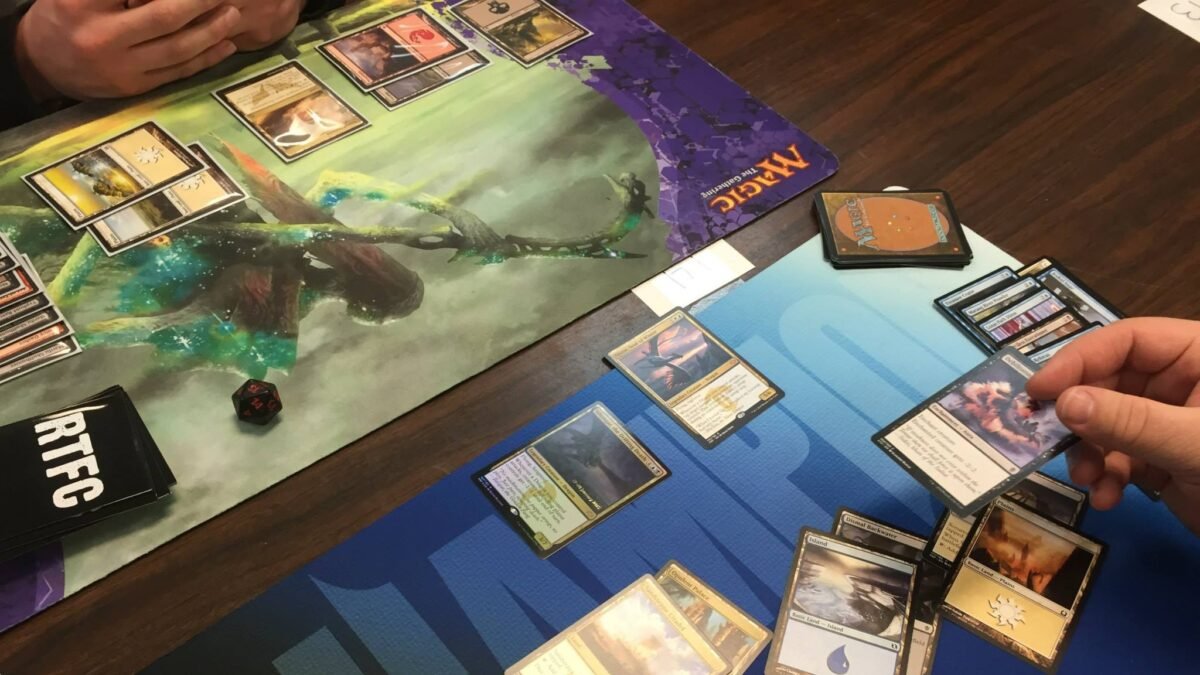
This post helps first-time cube drafters run a smooth MTG cube draft by explaining what a cube draft is, how to set it up, and the simplest “do this, then this” rules, so you can draft tonight without the awkward pauses.
TLDR
- A cube draft is a normal Limited draft, but the “booster packs” are made from a reusable, curated card pool (the cube).
- The default experience is 8 players, 3 packs of 15, which drafts 360 cards total.
- Setup is mostly logistics: shuffle, make packs, basics station, tokens/dice, sleeves, and a simple host script.
- Keep rules boring and consistent: 40-card decks, add any basics, build with your drafted pool, then play best-of-3 (or single games if you’re short on time).
What is a cube draft in MTG?
If you’ve ever wondered “what is a cube draft MTG?” here’s the clean definition:
An MTG cube draft is a draft where players open packs and pick cards one at a time, but instead of sealed product, those packs come from a custom “cube” that someone curated. It plays like booster draft, but the environment is whatever the cube designer wanted: a tight synergy machine, a greatest-hits playlist, a budget-friendly Limited set, or a completely unhinged power showcase.
So when people ask “what is MTG cube draft?” the answer is basically: drafting a custom Limited format made out of a reusable stack of cards.
The cube math that keeps you honest
Before you shuffle anything, decide your player count and your pack plan. The most common cube draft setup mirrors booster draft:
- Each player drafts 45 cards (3 packs × 15 cards).
- Total cards drafted = players × 45
Here’s the quick math table:
| Players | Packs each | Cards per pack | Cards drafted total |
|---|---|---|---|
| 4 | 3 | 15 | 180 |
| 6 | 3 | 15 | 270 |
| 8 | 3 | 15 | 360 |
| 10 | 3 | 15 | 450 |
Rule of thumb: If your cube is 360, an 8-person draft uses basically all of it. If your cube is 540, an 8-person draft uses about two-thirds, which gives you variety between drafts.
Cube draft setup: what you need on the table
Think of this as your “no one has to stand up mid-draft” checklist.
The cube
- Fully shuffled (or shuffled per section if you’re doing any seeding)
- Counted if you’re not sure it’s complete (optional, but comforting)
Packs and organization
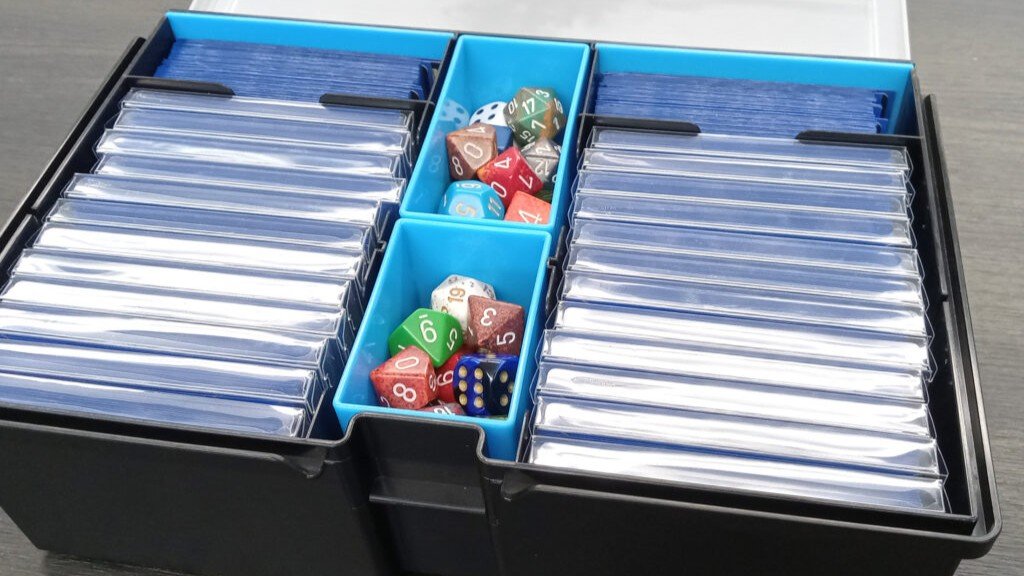
- A way to make packs: piles on the table, deck boxes, team bags, or paper sleeves
- A trash pile or “finished packs” spot, so the table doesn’t turn into soup
Basics station
- A big stack of basic lands (more than you think)
- Optional: snow basics if your cube supports them
- A clear rule: basics are free and unlimited
Play stuff
- Sleeves (highly recommended for shuffle feel and to keep the draft fair)
- Dice, tokens, counters, and a few pens/paper (or a life app)
- A timer (even a phone is fine)
If you’re drafting a printed cube
- The big “night-of” win is consistency: same sleeve type, consistent cut/size, readable text. It keeps shuffling smooth and reduces “wait, which version is this?” moments.
How to draft an MTG cube (the actual draft)
If your question is “how to draft an MTG cube” or “how to draft MTG cube”, this is the standard, no-drama method.
Step 1: Make the packs
Most cubes do random 15-card packs:
- Shuffle the cube thoroughly.
- Deal out 15 cards per pack until you have players × 3 packs.
That’s it. Simple is good.
Step 2: Seat players and explain the one rule that matters
Seat everyone around a table. Then say this out loud:
- “We draft 3 packs of 15.”
- “Pick one card, pass the pack.”
- “Pack 1 passes left, Pack 2 passes right, Pack 3 passes left.”
- “Build a 40-card minimum deck after, basics are free.”
That’s 95% of how to play MTG cube.
Step 3: Draft the packs
- Everyone opens Pack 1.
- Pick one card face-down (or face-up if your group likes open information), pass the rest.
- Continue until the pack is gone.
- Repeat for all three packs.
Keep it moving tip: If you want the draft to feel crisp, use a soft timer:
- Early picks: ~40–60 seconds
- Middle picks: ~25–40 seconds
- Last picks: just grab something
Step 4: Deckbuilding rules
This is the part people mean when they ask “how do you play cube MTG?”
Standard cube deckbuilding looks like any Limited deck:
- 40 cards minimum
- Usually 23 spells / 17 lands as a starting point
- Only use the cards you drafted, plus any basics
- Everything you drafted that isn’t in your main deck becomes your sideboard by default
Give players 15–25 minutes to build, depending on experience.
Step 5: Play rounds
Most cube nights do one of these:
- Best-of-3 matches, 50 minutes per round (classic)
- Single games, 25–35 minutes per round (faster, more casual)
- “Play until the pizza arrives” (the true cube tradition)
Pack-building options (if you want a slightly different vibe)
You can run cube drafts a bunch of ways. Here are the common ones, with real tradeoffs.
Option A: Fully random packs (recommended)
Best for: most groups
Pros: fastest setup, feels like real drafting, minimal rules
Cons: sometimes you open “clumpy” packs (no fixing, too many of one color)
Option B: Lightly seeded packs (only if your cube needs it)
Example: ensure each pack has 1 fixing land or 1 multicolor card.
Pros: smoother decks, fewer non-games
Cons: longer setup, and it subtly changes draft signals
Option C: Open “grid” or small-group formats (when you have 2–4 players)
If your real question is “how to play cube MTG with only a few people?” you might not want booster-style drafting at all. (Winston and Grid drafts exist for exactly this reason.) The main idea is the same: you’re still drafting from the cube, just with a format that doesn’t require 8 bodies.
The rules you should decide once and keep consistent
Cube drafts get messy when every night is a new experiment. Decide these once:
- Deck size: 40-card minimum
- Basics: unlimited, provided by the host
- Sideboards: everything you drafted that you didn’t main deck
- Proxies/printed cards: sleeve everything the same way to keep handling consistent
- Match structure: best-of-3 or single-game rounds
- Timeboxes: draft time + build time + round time (even loose ones help)
Common cube draft problems (and quick fixes)
“Decks feel inconsistent.”
- Tighten the cube (smaller list) or increase redundancy. In a larger cube, narrow synergy decks whiff more often.
“People are losing to mana, not decisions.”
- Add more fixing lands and flexible mana rocks, or consider lightly seeding packs with fixing.
“New players feel lost.”
- Provide a one-minute archetype overview before drafting, or label a few obvious signpost cards.
“Draft takes forever.”
- Use a gentle timer, and keep your host script short. Most slow drafts are just table drift.
A 60-second host script you can steal
“Alright, this is a cube draft. These packs are made from the cube, not store boosters. We’re drafting three packs of fifteen. Pick one card and pass. Pack one passes left, pack two passes right, pack three passes left. After the draft you build a 40-card deck, basics are free and unlimited. Everything you drafted that you don’t play is your sideboard. Ask questions anytime, and if you’re unsure, draft lands and cheap spells earlier than you think.”
FAQs
What is a cube draft MTG?
A cube draft is a draft using a curated, reusable pool of cards instead of sealed boosters. You still pick one card at a time and build a 40-card Limited deck.
How do you draft a cube MTG if you’re brand new?
Do random 15-card packs, draft 3 packs per player, build 40-card decks with free basics. Don’t add extra rules on your first night.
How many cards do you need for an 8-player MTG cube draft?
For the default setup, you draft 360 cards total (8 players × 45 cards each).
How to play MTG cube with 4 players?
You can do booster-style drafting (you’ll draft 180 cards total), but many groups prefer small-player draft formats like Winston or Grid because they create better choices with fewer people.
Do you need a sideboard in cube?
Most cube nights treat “everything you drafted but didn’t main deck” as your sideboard. It’s simple and it works.