

Legacy cube is the sweet spot for players who love older Magic patterns but don’t want the “everything is broken all the time” feeling of a powered Vintage cube. Think: efficient spells, real stack interaction, strong synergies, and a lot of games decided by sequencing and play skill, not just who opened the most outrageous artifact.
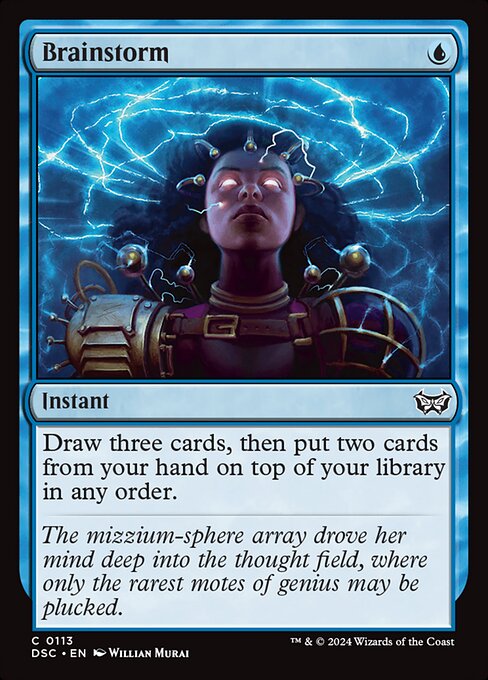
If your favorite Magic memories involve Brainstorm decisions, tight removal windows, and decks that feel like “constructed… but drafted,” you’re probably the target audience.

What is a Legacy cube?
A Legacy MTG cube is a curated draft environment built from cards that roughly match the Legacy power band (or the “Legacy vibe”), usually with a big practical rule:
- No Power Nine and often no fast mana that turns the draft into a slot machine.
- Lots of efficient threats, cheap interaction, and smooth mana.
- Archetypes that resemble (or at least nod to) Legacy staples: tempo, control, midrange, combo-ish packages, graveyard decks, and “spells-matter” shells.
It’s not a format with a single official list. It’s a design philosophy: “Let’s draft something that feels like Legacy gameplay.”
Who is Legacy cube for?
Legacy cube is for you if you want high agency Magic: lots of decisions, lots of play, fewer non-games.
It tends to land best with:
- Spike-y drafters who enjoy learning patterns (tempo, resource denial, stack fights).
- Cube groups that like interaction and don’t mind trading resources early.
- Players who want powerful decks without the “oops, turn-one nonsense” of powered cubes.
- Groups that replay often and want a meta that rewards refinement and draft reads.
It’s less ideal if your group mainly wants splashy battlecruiser turns, huge board stalls, or “Commander-y” haymaker vibes every game.
How Legacy cube is different from other cubes
Legacy cube’s defining feature is the power distribution: strong cards, but fewer “unanswerable, game-ending, draft-warping” outliers. That changes everything, from how you draft to how games play out.
Here’s the practical comparison:
| Cube Style | Power Level | What Games Feel Like | Biggest Draft Skill Test | Common “Gotcha” |
|---|---|---|---|---|
| Legacy | High (but curated) | Tight, interactive, lots of decisions | Sequencing + role assignment (beatdown vs control) | Under-supporting mana and 1–2 drops |
| Vintage / Powered | Very high | Explosive, swingy, sometimes absurd | Drafting power + building around broken mana | Non-games from fast mana + power spikes |
| Modern | Medium-high | More board-centric, fewer free wins | Curve + synergy density | Interaction can feel slower/clunkier |
| Pauper / Peasant | Medium | Grindier, combat matters a lot | Incremental advantage + combat math | Limited “catch-up” tools vs snowballs |
| Set cube | Varies | Set-flavored, archetype rails | Reading signals within a narrow card pool | Repetition if the set isn’t deep |
The biggest “feel” difference: fewer free wins
In many powered environments, a small number of cards create massive gaps in outcomes. In Legacy cube, your wins more often come from:
- Drafting a coherent plan
- Hitting your curve
- Using interaction well
- Navigating tempo swings
That’s why Legacy cube is a favorite “weekly driver” for groups that want repeatable, skill-testing drafts.
The core pillars of a great Legacy cube
Legacy cube lives or dies on a few design commitments. If you nail these, the format sings.
1) Early plays matter (a lot)
Legacy-ish gameplay assumes turn-one and turn-two are meaningful. That doesn’t mean every deck is aggro, but it does mean:
- Aggro needs real density of 1s and 2s
- Tempo needs cheap threats + protection
- Control needs early interaction that isn’t embarrassing
If you don’t support early plays, Legacy cube turns into “midrange soup.”
2) Interaction is cheap and plentiful
Legacy cube is where you want your removal and counterplay to show up often. You’re aiming for games where players can actually respond.
A useful rule of thumb: if your drafters frequently say “I couldn’t do anything,” you probably need more (or cheaper) interaction.
3) Mana is smoother than you think it should be
Legacy decks function because mana is good. In cube, if fixing is shaky, your environment stops being “Legacy-like” and becomes “who stumbled.”
Legacy cube usually wants strong two-color decks with the option to splash, not five-color piles by default. That means prioritizing fixing, but also keeping an eye on how easy you make greed.
4) Combo exists, but it’s drafted, not gifted
Legacy has combo, and Legacy cube can too, but the best versions make combo:
- Telegraphed enough to draft against
- Piece-dependent (not “one card wins”)
- Interactive (there are real points to disrupt it)
This keeps drafts from turning into “did someone open the one card that invalidates everything?”
A quick “Is Legacy cube right for my group?” checklist
- You want games decided by sequencing, not just haymakers.
- You like counterspells, discard, and removal being common.
- You enjoy tempo decks and the idea of “protect the queen.”
- You want powerful decks but fewer “turn one, you’re dead” draws.
- Your group re-drafts often and likes an environment with depth.
If you checked most of those, you’re in the right neighborhood.
Common misconceptions about Legacy cube
“It’s just Vintage cube without the Power.”
Not quite. Removing Power changes incentives, but Legacy cube is also about curating the rest of the environment: the one-drops, the interaction density, the mana, and the archetype balance.
“It’s only for experts.”
It rewards experience, but it can be beginner-friendly if you make archetypes legible and keep “gotcha” packages from being too punishing.
“Every deck is blue.”
Blue will be strong if cantrips and counters are plentiful, but you can absolutely build a Legacy cube where aggro, midrange, and proactive combo keep blue honest.
FAQs
What size should a Legacy cube be?
If you draft with 8 players in traditional 3×15 boosters, 360 cards is the clean baseline (because 8 × 45 = 360 drafted cards). Larger cubes (450/540) add variety, but you’ll need to work harder to keep synergy density and early-game consistency. Luckily, our curated cubes are highly tested and maintain balance even for our 540 and 720 card sizes.
Does a Legacy cube need fetchlands and duals?
It doesn’t need them, but Legacy cube usually wants high-quality fixing. The more your environment asks drafters to play tight, the more frustrating mana screw becomes. Prioritize fixing that makes two-color decks consistent, then decide how much splashing you want to allow.
Is storm a good fit for Legacy cube?
Sometimes, but it’s the classic “trap archetype” if under-supported. If you include storm, commit to real density and clear signals, and make sure other players have interactive pressure so it isn’t solitaire.
How do I keep aggro viable in Legacy cube?
Aggro needs real one-drops, efficient burn/removal, and enough disruption to punish slow hands. Also: avoid loading your cube with only 4–6 mana haymakers that invalidate early damage.
What’s the easiest way to ruin a Legacy cube?
Two common ways:
- Not enough early plays (everything becomes midrange soup).
- Fixing that’s too weak (games become stumble-fests instead of decision-fests).